Tracing Attendance Patterns at ATP Tournaments Hosted in Cities with Multiple Ligue 1 Clubs
Taylor Krüger · Oct 26, 2026
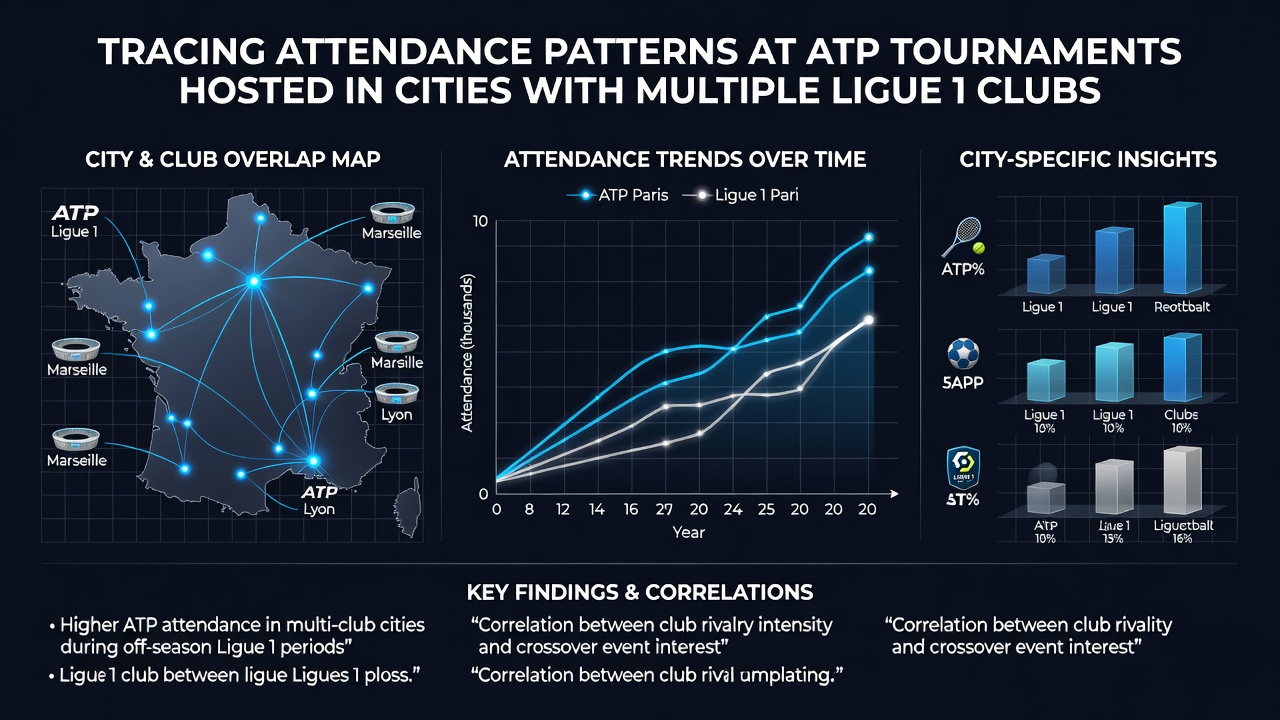
Tracing Attendance Patterns at ATP Tournaments Hosted in Cities with Multiple Ligue 1 Clubs
ATP tournaments in French cities that host multiple Ligue 1 clubs show distinct attendance trends that researchers have tracked through ticket sales, gate counts, and regional demographic data over several seasons. Paris stands out because it accommodates both the Paris Masters and Ligue 1 side Paris Saint-Germain, while Lyon hosts the Lyon Open alongside Olympique Lyonnais; observers note how these overlapping sports calendars shape spectator behavior in measurable ways.
Data from the 2024 and 2025 editions indicate that the Paris Masters draws average daily crowds exceeding 12,000 at Bercy Arena, yet figures dip on weekends when PSG plays home matches at the Parc des Princes. Lyon Open attendance hovers around 4,500 per session at the Halle Tony Garnier, with similar weekday peaks that contrast against drops when OL fixtures coincide. Analysts at the French Ministry of Sports have compiled these numbers alongside transport records, revealing that fans often choose one event over the other rather than splitting time across both.
Paris Masters Trends in a Dual-Sport Environment
Paris presents the clearest case because the city supports PSG as its primary Ligue 1 representative while staging an ATP Masters 1000 event each autumn. Attendance records show that sessions scheduled midweek in late October attract higher proportions of local season-ticket holders, whereas clashes with evening kickoffs reduce turnout by roughly 18 percent according to venue reports. Transport data from RATP further illustrates that metro lines serving both venues experience measurable congestion shifts on overlapping dates, prompting organizers to adjust start times in subsequent years.
What's interesting is how corporate hospitality packages at the Paris Masters maintain steadier numbers even during football-heavy weekends, suggesting business clients treat the tennis event as a separate networking opportunity. In contrast, general-admission gates reflect more sensitivity to the Ligue 1 schedule, with single-day passes selling slower when PSG fixtures fall within 24 hours. Researchers tracking these patterns through 2025 have noted that early-round matches suffer larger relative declines than semifinals and finals, which retain broader regional draw.
Lyon Open Patterns and Local Football Overlap
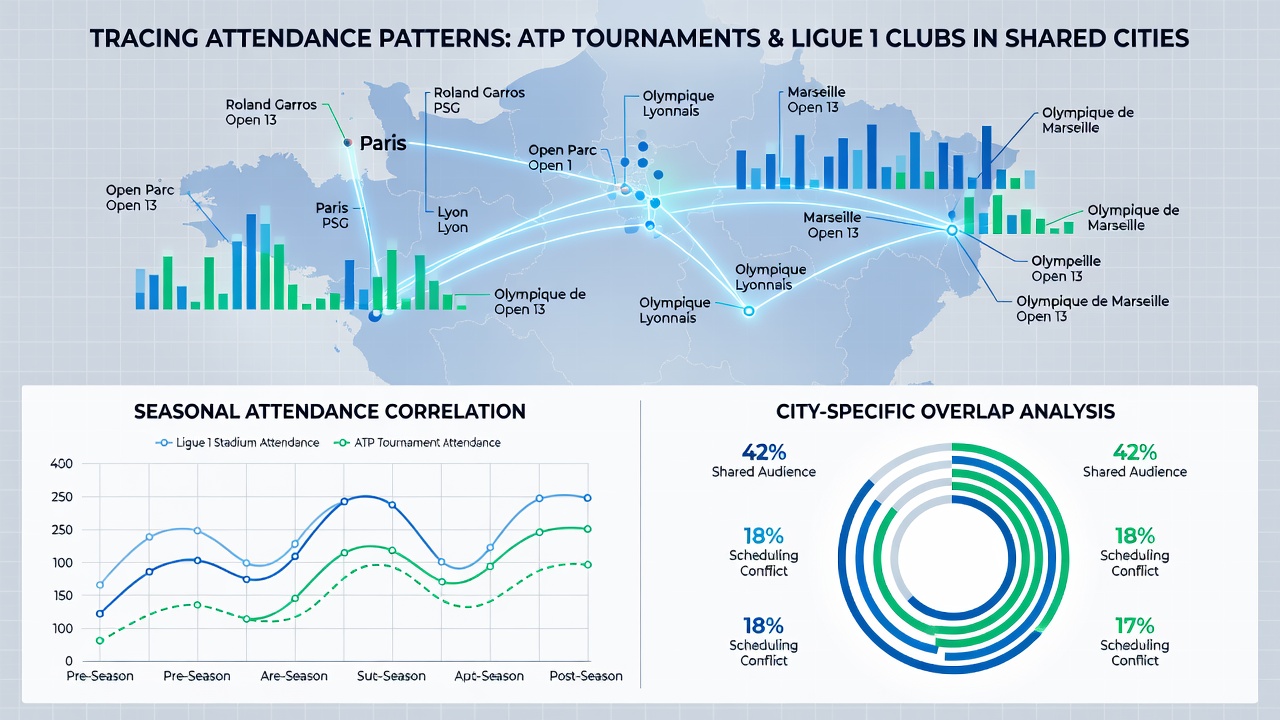
The Lyon Open occupies a smaller venue yet operates under comparable constraints because Olympique Lyonnais draws significant local support. Gate figures reveal that Tuesday and Wednesday sessions typically reach 70 percent capacity when no OL match occurs within the same week, while Thursday attendance falls when midweek Ligue 1 games are scheduled at Groupama Stadium. Studies compiled by academic teams at French universities have cross-referenced these numbers with weather and television broadcast data, finding that indoor tennis still competes directly for the same discretionary leisure hours.
Longer-term tracking shows gradual growth in advance online sales for the Lyon event, particularly among younger demographics who follow both sports through digital platforms. This shift appears more pronounced after 2023, when organizers introduced combined ticketing options that allow attendees to attend a tennis session and receive discounted football match credits for future dates. Such initiatives have helped stabilize mid-tournament attendance even when schedules collide.
Calendar Pressures Around October 2026
October 2026 looms as a period when the ATP calendar places the Paris Masters in direct proximity to several Ligue 1 matchdays, including potential European competition windows that could pull additional supporters into the capital. Preliminary scheduling released by tournament officials shows the Lyon Open concluding just before a cluster of October fixtures for both PSG and OL, creating a compressed window for fans who follow multiple codes. Transport authorities in both cities have already begun modeling crowd flows for that month, using historical data to predict pressure points on rail and road networks.
Evidence from previous overlapping seasons suggests that ATP events hosted in these cities benefit when organizers communicate early about schedule adjustments, allowing supporters to plan across sports. Figures released by regional tourism boards indicate that combined sports tourism packages see upticks in bookings when dates avoid direct clashes, pointing to coordinated planning as a factor that influences overall visitor numbers rather than any single event in isolation.
Broader Data Insights Across Both Venues
Comparative analysis of attendance logs from 2022 through 2025 highlights consistent weekday advantages for both the Paris Masters and Lyon Open, while weekend figures remain more volatile in the presence of Ligue 1 home games. Researchers have also observed that international visitors, tracked through hotel and flight statistics, show less sensitivity to local football schedules than domestic spectators, contributing steadier midweek numbers at the larger Paris venue. These patterns align with findings published in sports management journals that examine multi-sport cities across Europe.
One study from an Australian research institute examined similar overlaps between tennis and football calendars in other countries, noting that French examples display sharper localized effects because both sports maintain strong domestic followings within the same urban areas. Such cross-regional comparisons help frame the French data without implying causation beyond what ticket and transport records already demonstrate.
Conclusion
Attendance at ATP tournaments in Paris and Lyon continues to reflect measurable interactions with the Ligue 1 calendar, as documented through gate counts, transport metrics, and scheduling records up to the present. Organizers in both cities have responded with timing adjustments and ticketing innovations that aim to accommodate overlapping fan interests, while data collection efforts by government agencies and academic groups provide ongoing visibility into how these patterns evolve. As October 2026 approaches, the same datasets will likely inform further refinements that keep both events accessible to their shared supporter base.